


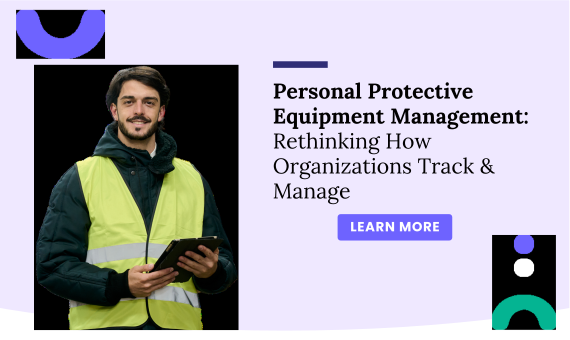
In many workplaces, safety begins with something simple: the right protective equipment. Helmets, gloves, respirators, safety glasses, and other gear are designed to protect employees from hazards that are part of daily operations.
Yet as organizations grow, managing personal protective equipment becomes more complex than simply distributing gear. Questions often arise around who received what equipment, whether inspections are up to date, and whether workplace PPE requirements are consistently being met.
This is why many organizations are beginning to explore PPE management software and PPE tracking systems as part of broader workplace safety and compliance initiatives.
Why PPE Management Is Becoming More Complex
In smaller environments, PPE may be managed informally. A supervisor distributes equipment, records are kept manually, and replacements happen when needed.
However, as operations expand across teams, shifts, or locations, manual processes can quickly become difficult to maintain.
Common challenges include:
- Limited visibility into PPE inventory levels
- Difficulty tracking which employees have received which equipment
- Lack of reminders for inspections or replacements
- Inconsistent documentation of PPE compliance
- Challenges meeting workplace PPE requirements during audits
These issues often lead organizations to evaluate whether a more structured system is needed.
What Is PPE Management Software?
PPE management software is designed to help organizations manage the full lifecycle of personal protective equipment—from assessments and issuance to inspections and replacement.
Instead of relying on spreadsheets or disconnected tools, safety teams can use PPE tracking software to maintain a centralized record of equipment usage and compliance.
Typical capabilities may include:
- Personal protective equipment tracking for employees
- PPE inventory tracking software to monitor stock levels
- Documentation of PPE assessments and hazard evaluations
- Automated reminders for inspections or replacement
- Reporting tools to support PPE compliance
By centralizing this information, organizations gain clearer visibility into how protective equipment is managed across the workplace.
The Role of PPE Assessments
Before equipment is issued, organizations often conduct PPE assessments to determine what type of protective equipment is required for specific roles or tasks.
These assessments help identify:
- Workplace hazards
- Task-specific protective equipment
- Required PPE standards for each role
- Additional training or safety measures
Documenting these assessments helps ensure that PPE decisions are based on structured risk evaluations rather than assumptions.
Personal Protective Equipment Tracking in Practice
One of the most common questions safety teams face is simple: who has been issued what equipment?
With manual systems, tracking this information across multiple employees or sites can become time-consuming.
Digital personal protective equipment tracking allows organizations to maintain records of:
- PPE issued to each employee
- Inspection and maintenance history
- Replacement schedules
- Equipment assigned across locations or departments
Over time, these records can help organizations better understand equipment usage patterns and improve safety planning.
Why PPE Compliance Matters
Maintaining PPE compliance is a key part of workplace safety programs.
Organizations must ensure that employees not only receive the correct equipment but also use and maintain it according to safety standards.
Without proper tracking, compliance gaps may occur due to:
- Missing inspection records
- Expired or damaged equipment
- Inconsistent documentation across teams
A structured workplace PPE management system helps organizations maintain consistent oversight of these requirements.
The Growing Role of PPE Inventory Tracking Software
Another important aspect of PPE management is ensuring that equipment is available when needed.
Using PPE inventory tracking software, safety teams can monitor:
- PPE stock levels across locations
- Equipment issuance and returns
- Inventory shortages or overstock situations
- Replacement and restocking needs
This visibility helps prevent situations where employees lack the equipment necessary to perform tasks safely.
PPE Management as Part of a Broader Safety Strategy
In many organizations, PPE management is closely connected with other safety and compliance processes, including incident reporting, inspections, and risk assessments.
As a result, some companies are exploring digital platforms that integrate PPE management, compliance tracking, and incident management into a single system.
This approach can help safety teams gain a more complete view of workplace risks and safety performance.
A Shift Toward Smarter PPE Management
Workplace safety programs continue to evolve as organizations seek better ways to protect employees and maintain compliance.
Exploring tools such as PPE management software, PPE tracking software, and PPE inventory tracking systems can help safety teams improve visibility, reduce manual work, and maintain more consistent safety practices.
As industries become more complex and regulated, the ability to track and manage protective equipment effectively may become an increasingly important part of building safer and more resilient workplaces.